Hyrox Nutrition & Recovery: How to Fuel Your First Race Without Overthinking It
For a first Hyrox, most beginners focus only on training sessions and forget that nutrition and recovery are basically “free performance”.
You do not need a strict diet or complicated rules to feel good on race day; you just need a simple structure that tells you what to eat, when to eat, and how to recover so your body can do its job.
The 24 hours before your Hyrox
The day before your race is not the time to suddenly change everything; it is the time to keep things familiar and slightly more carb‑focused.
Aim for balanced meals built around three main components:
- Carbs for energy (rice, pasta, potatoes, oats, bread).
- Protein for muscles (chicken, fish, tofu, eggs, yogurt).
- A bit of healthy fats (olive oil, nuts, avocado), but not in huge amounts.
Try to avoid very heavy, greasy, or super spicy meals that might upset your stomach, especially at dinner.
Drink water regularly throughout the day, but there is no need to force liters; the goal is to stay comfortably hydrated, not to feel bloated.
Race morning: breakfast and pre‑race snack
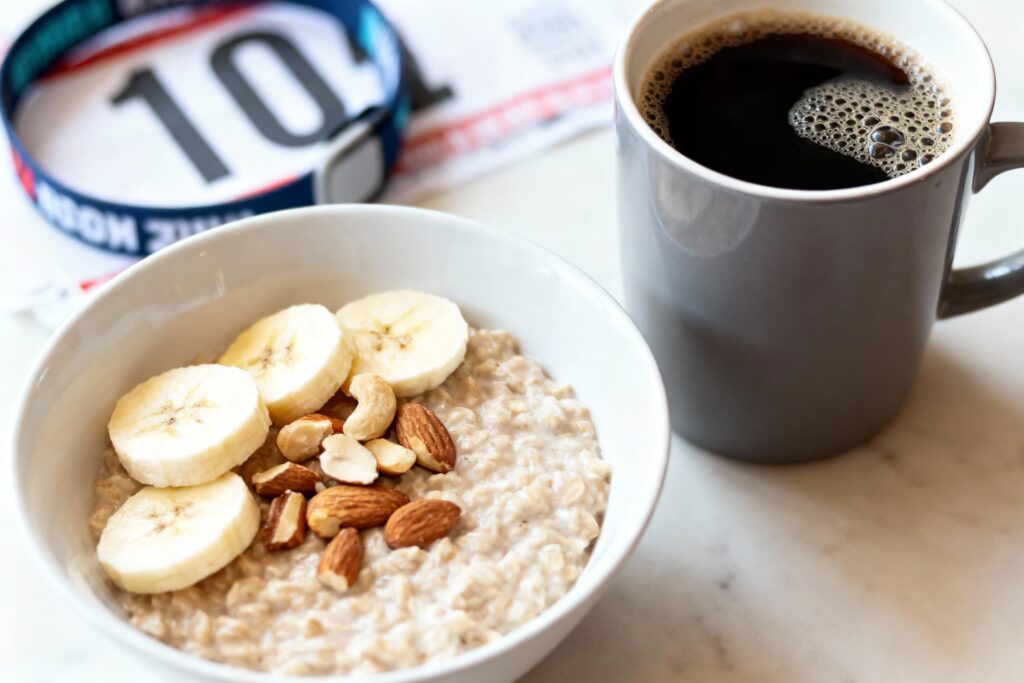
Race morning is about eating something that you already know works well for you and gives you steady energy.
Ideally, have your main breakfast 2–3 hours before your start time, so you have time to digest.
Good options include:
- Porridge or oats with banana and a bit of peanut butter.
- Toast with jam or honey plus yogurt.
- Yogurt or skyr with granola and fruit.
If you like coffee and you are used to it, you can keep it, but avoid trying caffeine for the first time on race day because it might upset your stomach or heart rate.
About 60–90 minutes before the race, you can add a small snack if you feel a bit hungry: half a banana, a small cereal bar, or a rice cake with a topping you tolerate well.
During the race: do you need to fuel?
Most beginner Hyrox athletes will be out on the floor for roughly 60 to 120 minutes, which means that fueling during the race can stay very simple.
For many people, small sips of water at regular intervals are enough, especially if they ate properly before.
If you expect your race to be closer to or above 90 minutes and you are used to using carbs during workouts, you can add:
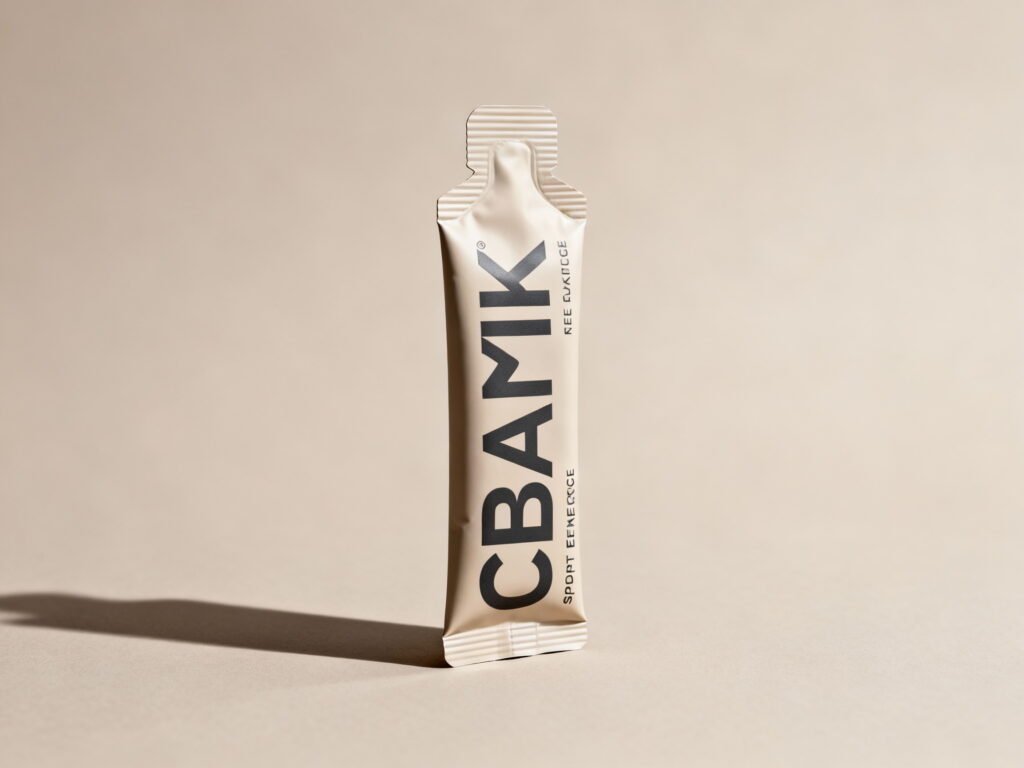
- One energy gel or a few chews in the middle of the race.
- A couple of quick sips of a sports drink, if your stomach tolerates it.
Whatever you choose, test it in training first so there are no surprises on race day.
Avoid overdrinking between stations; aim for small, controlled sips to avoid feeling heavy or bloated.
Right after the race: the first 2 hours
The first thing your body needs after the finish line is carbs to refill energy stores and protein to start repairing muscles.
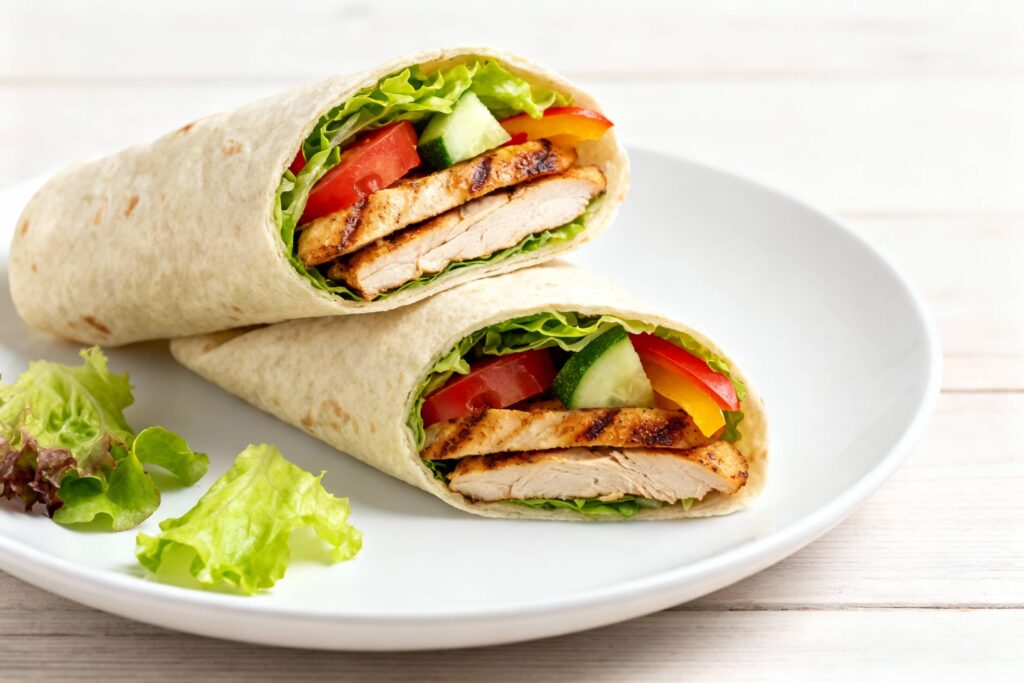
Try to eat a snack or meal within 1–2 hours after the race that combines both, for example:
- A wrap or sandwich with chicken and veggies.
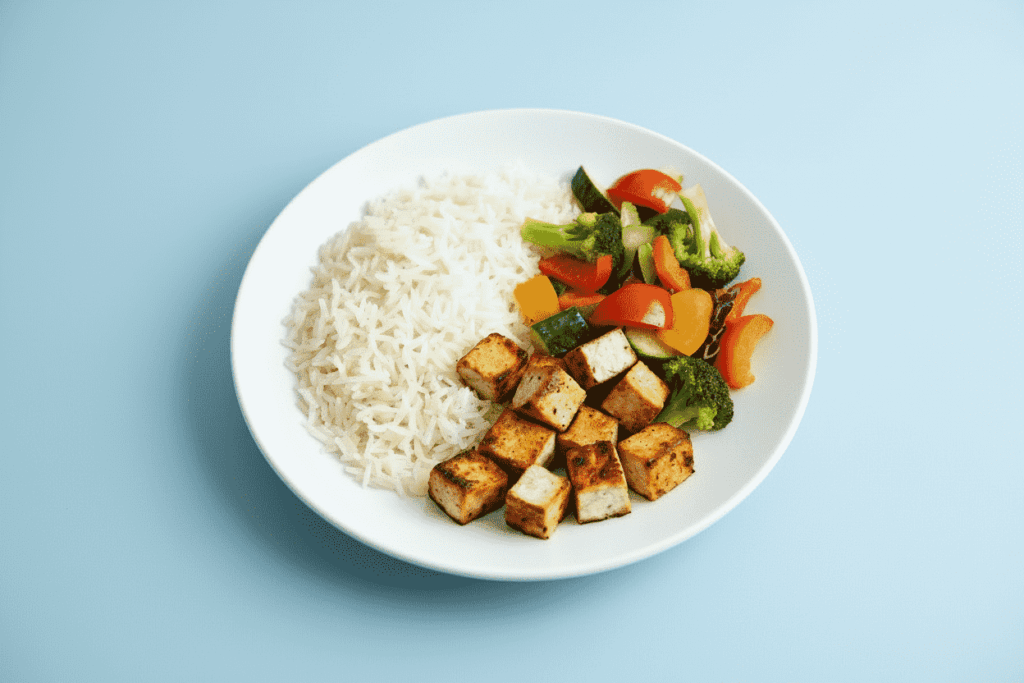
- A rice or pasta bowl with some protein source.
- A smoothie made with fruit, oats, and protein (yogurt, protein powder, or milk).
Hydration is still important: drink water and, if you sweat a lot or the race was hot, consider adding electrolytes to replace the minerals lost in sweat.
Listen to your appetite: you may not feel like a huge meal immediately, so a couple of smaller snacks in the first hours is also a good strategy.
Recovery over the next 24 hours
Good recovery is not only about one post‑race snack; it is about how you treat your body for the rest of the day and the day after.
During the following 24 hours, try to:
- Eat regular meals with enough carbs and protein to support repair.
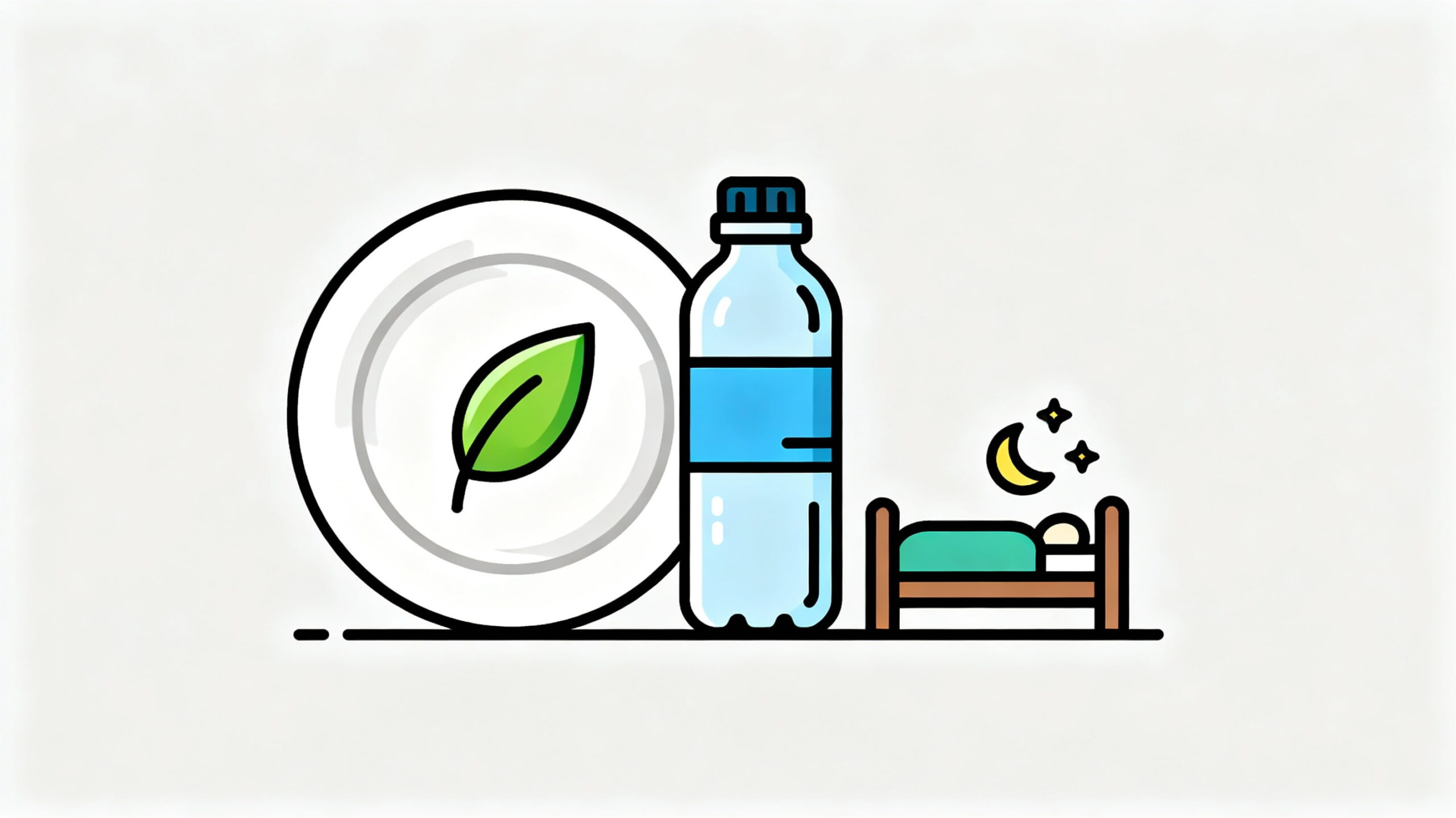
- Keep drinking water across the day, adjusting to thirst.
- Prioritize a good night of sleep, as this is when a lot of the recovery process happens.
Avoid heavy gym sessions or intense intervals the day after your race; your nervous system and muscles need time to “absorb” the work you have done.
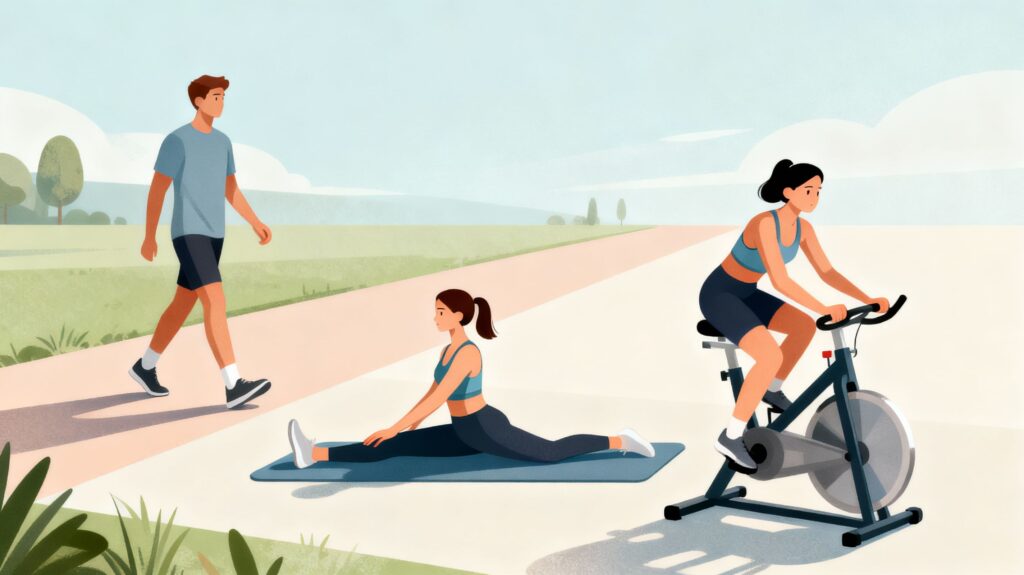
Instead, choose light movement such as walking, gentle stretching, or a very easy spin on a bike to get blood flowing without adding more fatigue.